The Best Time of Year to Trim Your Trees (And What Happens If You Don't)
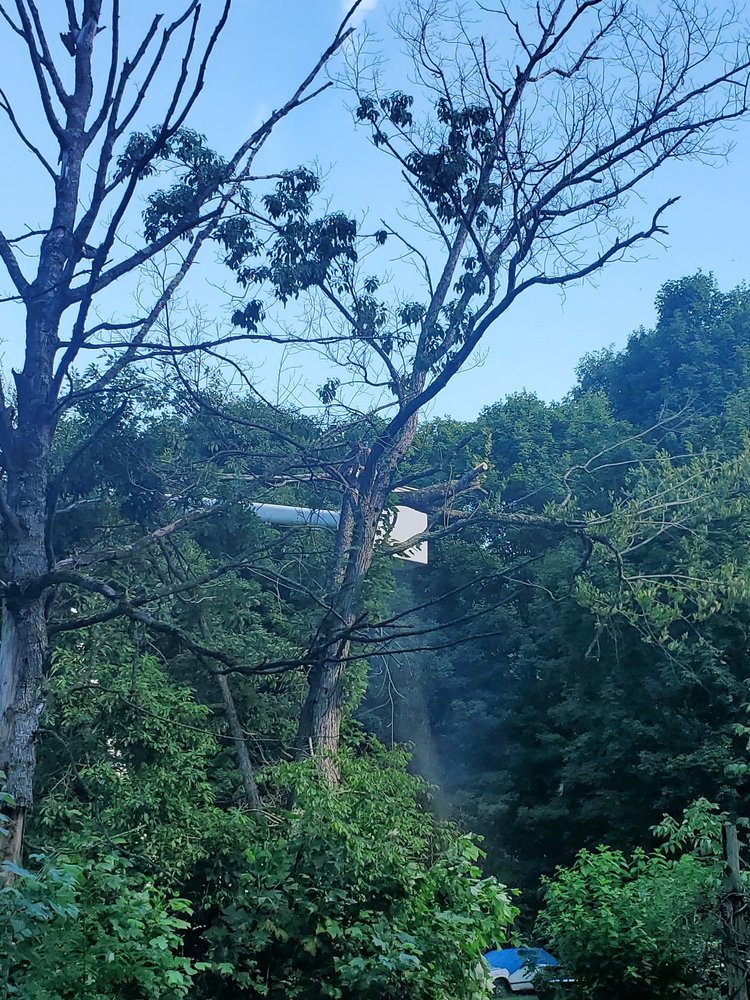
Timing is everything with tree trimming. Cut at the right time and the tree recovers fast, seals its wounds before pests can find them, and channels its energy into exactly the right kind of growth. Cut at the wrong time and you're fighting the tree's own biology — stressing it out, potentially spreading disease, and sometimes doing more harm than good.
Most homeowners trim their trees when it seems convenient or when someone finally gets around to it. Here's a better framework — organized by season, with the reasoning behind each recommendation.
The General Rule: Dormant Season Is Best
For most deciduous trees — the kind that drop their leaves in fall — the ideal time for any significant structural pruning is late winter to early spring, while the tree is still dormant but right before new growth starts pushing. Typically that means February through mid-March in most of the country, though the exact window depends on your climate and species.
Why dormant season? A few reasons that all work together. The tree is at its lowest metabolic activity, so pruning wounds don't cost the tree as much energy to respond to. As spring arrives and the tree throws its energy into new growth, those wounds begin healing rapidly — the tree essentially surges across any cuts you've made. And with no leaves on the branches, you can actually see the structure clearly and make informed decisions about what needs to go.
The dormant season is also when insects and fungal pathogens are least active. Many tree diseases spread through fresh cuts — beetles carry oak wilt, spores drift on the air and settle into pruning wounds, and so on. By trimming in late winter, you're minimizing the window of vulnerability between the cut and the callus formation that seals it off.
Season-by-Season Breakdown
Late Fall and Winter (November through January): Good for Most Jobs
Once a tree has dropped its leaves and gone dormant, it's generally a fine time to prune. You can see what you're working with, the tree isn't under stress from active growth, and any cuts will callus over by spring. One exception: avoid heavy pruning on oaks in the fall in regions with Oak Wilt pressure. That disease spreads through fresh wounds and is most virulent when carried by the beetles that are active in warmer months — but in borderline climates, erring toward late winter is safer.
Late Winter (February through Mid-March): The Sweet Spot
This is the window we recommend most often for structural pruning of deciduous trees. The tree is still dormant, but spring is close enough that healing will begin quickly. You get the best of both worlds: low stress from pruning, fast recovery as growth kicks in. This is also when we have the most accurate picture of which branches are truly dead (they won't bud out), making it easier to identify what needs to come off.
Spring (April and May): Light Work Only
Spring is when a tree puts enormous energy into pushing out new growth. Heavy pruning during this period forces the tree to redirect that energy — essentially making it rebuild what you just removed. That's stressful. It's fine to clean up storm damage, remove a single problem branch, or do minor corrective work. But if you're thinking about a major trim, wait it out. One important exception: spring-flowering trees like dogwood, redbud, cherry, and magnolia should be trimmed right after they finish blooming. Trim them before flowering and you cut off the show you're waiting all year for.
Summer (June through August): Proceed with Purpose
Summer pruning has its uses. It's actually the right time to slow down aggressive growth on a specific branch — when a tree is in full leaf and actively moving sugars from leaves down to roots, cutting a branch interrupts that flow and has a dwarfing effect on regrowth. Fruit trees are sometimes summer-pruned for exactly this reason. Dead branches can come off any time of year, including summer. Clearance work — raising the canopy over a driveway or walk, removing branches that are rubbing your roof — is fine in summer too. What to avoid is heavy structural pruning of the whole canopy. The tree needs its full leaf area to store energy for winter, and a major summer cut interferes with that.
Early Fall (September and October): Generally Avoid
Early fall is the worst time to do major pruning for most species. The tree is actively moving nutrients from leaves back into root storage in preparation for dormancy. If you cut now, you disrupt that process and potentially stimulate new growth that won't have time to harden before the first frost. That soft new growth is especially vulnerable to cold injury. Fall cuts also tend to heal more slowly than spring or summer cuts because the tree's activity is winding down. If you need to do light deadwooding or remove a specific hazard, fall is fine. For anything significant, wait until true dormancy or the following late winter.
The Exceptions That Override the Calendar
All of the above assumes you're doing planned maintenance pruning. Two categories of situation throw the seasonal calendar out the window entirely:
Safety and hazards: A branch hanging over your roof, a limb damaged in a storm, a deadwood section ready to fall — these get handled immediately, regardless of the month. No tree service professional worth calling is going to tell you to wait until February to remove a branch that's going to come through your windshield next week. Safety comes first, always.
Dead branches: Deadwood can come off any time of year. Dead branches don't have active tissue to stress, they don't seal cuts, and they're a liability sitting up there. When you see it, remove it.
What Actually Happens When Trees Don't Get Trimmed
A lot of homeowners treat tree trimming as optional — something to do when the tree gets noticeably shaggy or when branches start encroaching on something. And trees are tough; they don't immediately die from a lack of pruning. But there are real consequences to letting trees go completely untouched for years or decades.
Structural problems accumulate. Every year, minor crossing branches rub and create wounds. Co-dominant stems — two major trunks competing — grow closer to a structural failure point. The tree's shape gets increasingly weighted toward one side. Problems that would have been minor corrective work at year three are major structural jobs at year fifteen, and some of them can't be fully corrected at all by that point.
Disease and pest entry points multiply. Dead branches don't fall off cleanly when a tree is neglected — they decay in place and create open wounds that fungal pathogens and boring insects use as entry points. A tree with years of accumulated deadwood and decay sites is significantly more vulnerable to the kind of internal decay that makes removal necessary. Good pruning practices extend the life of your trees.
Liability grows over time. If a branch from a clearly neglected tree damages a neighbor's property or injures someone, your insurance company and potentially a court will want to know whether the condition was visible and whether you took reasonable steps to address it. A tree that's been professionally maintained periodically gives you documentation and defense. One that's obviously been ignored for a decade doesn't.
The eventual corrective job gets bigger and more expensive. Small cuts heal quickly and leave little visible trace. Large cuts on mature wood leave scars that take years to callus. The longer pruning is deferred, the larger the cuts needed, the longer the recovery, and often the higher the cost. Staying current with maintenance trimming every few years is almost always less expensive in the long run than one major corrective job after a decade of neglect.
Ready to Get Your Trees on a Maintenance Schedule?
We'll assess your trees, tell you what actually needs attention, and give you a straight price. No upselling, no unnecessary work. Free estimates always.